
language
Search Results:
“Feed a single roll of material, and output finished products directly.”
This is no longer a futuristic concept from a demo video—it is a true efficiency revolution happening right now in the packaging and printing industry.
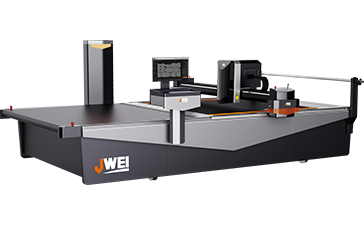
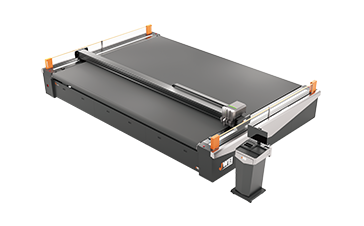
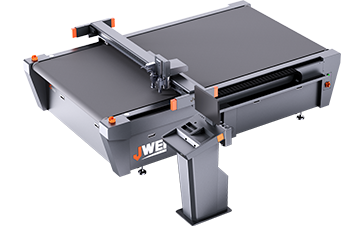
Lately, "One Pass" has become the hottest buzzword in the sector. From industry trade shows to professional forums, the focus of discussion has shifted from "Should we adopt it?" to "How can we make the most of it?" Today, we are zooming in on JWEI’s cutting-edge small-batch cutting and finishing solutions tailored specifically for the packaging and printing industry.
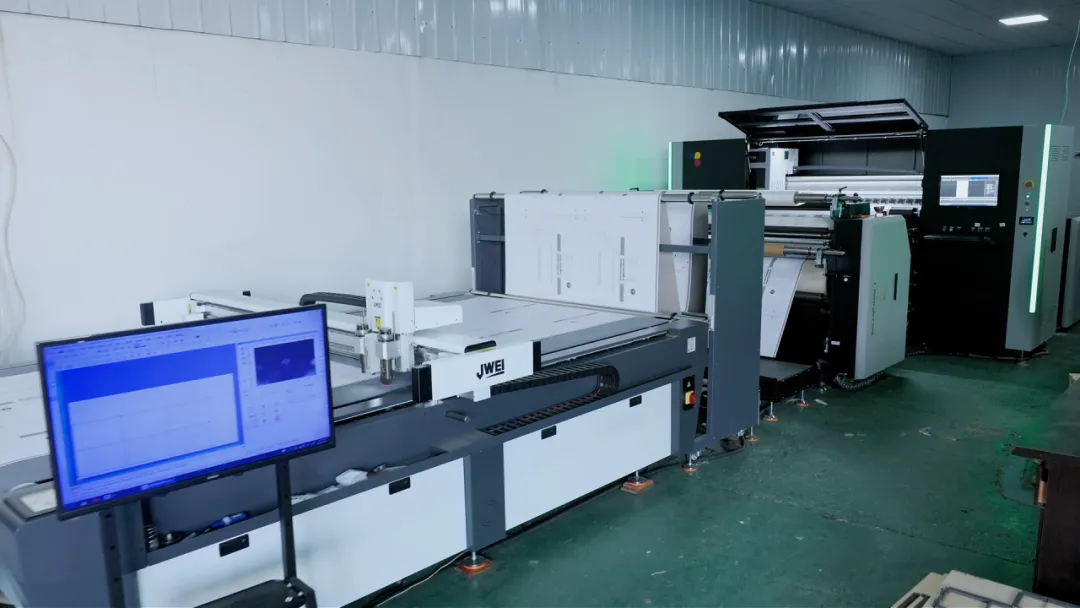
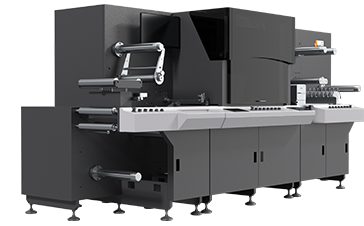
Printing Stage: One-Pass Production, Say Goodbye to Platemaking
Anyone who has worked in traditional printing knows the pain points: design, platemaking, proofing, machine setup, and trial runs. A single workflow can take anywhere from a few hours to several days, and every single job change requires a complete restart. High platemaking costs, lengthy setup times, and the inability to accept short-run orders have long been the three major mountains weighing down packaging enterprises.
With One Pass, no physical plates are required, and platemaking costs are completely eliminated. Design files are imported and processed instantly.
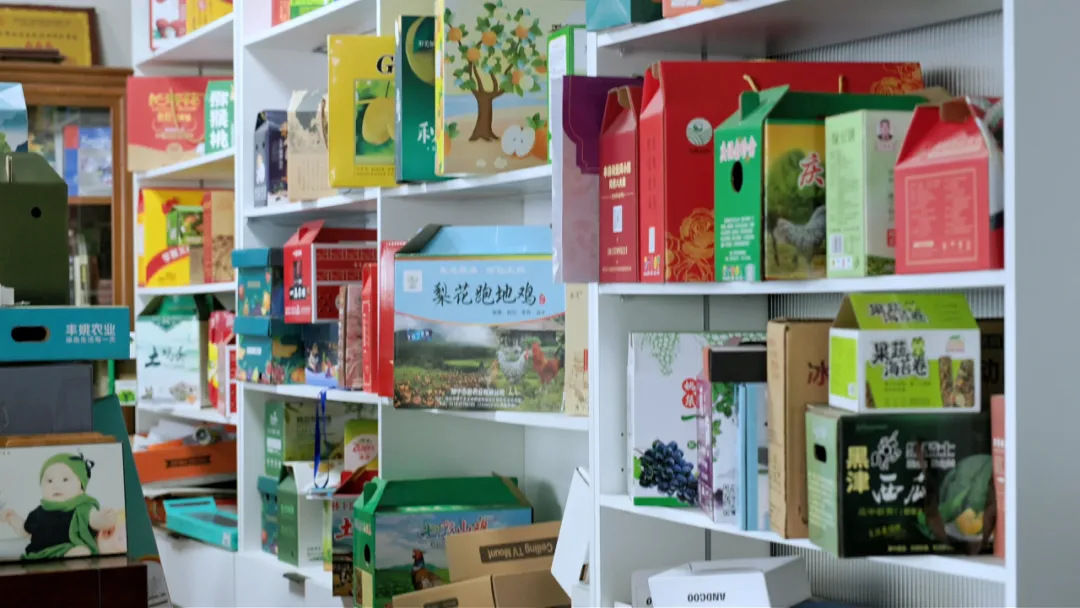
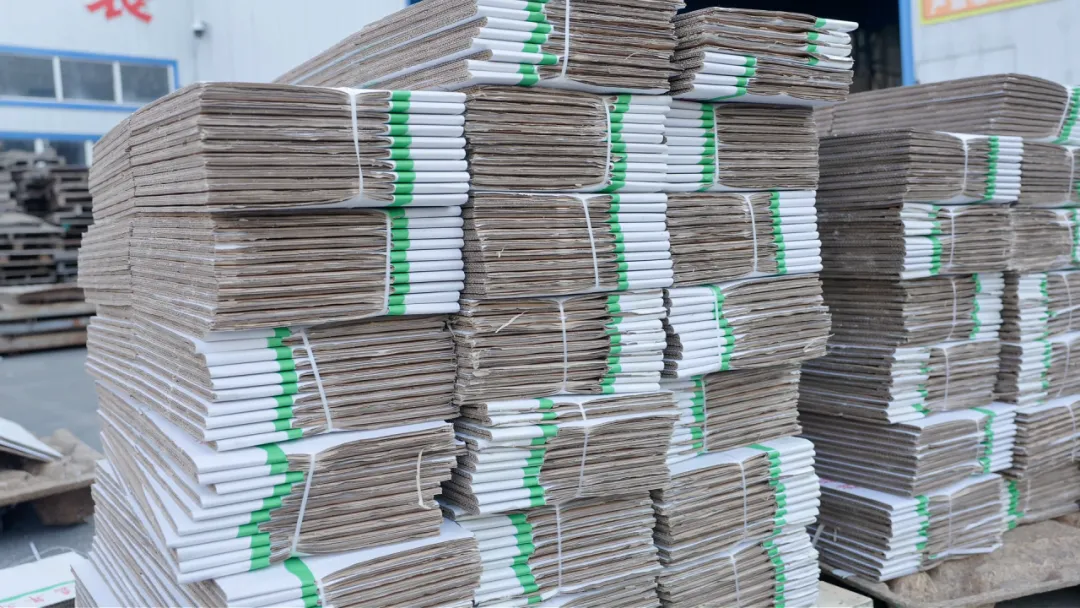
Buffering Stage: Seamlessly Connecting Upstream and Downstream
As printing speeds accelerate, cutting often becomes the new bottleneck. In traditional workflows, printing and cutting operate independently. After printing, operators have to manually collect rolls, transport them, and reload them onto the cutter—resulting in excessive handling steps, high material loss, and a mismatch between upstream and downstream capacity.
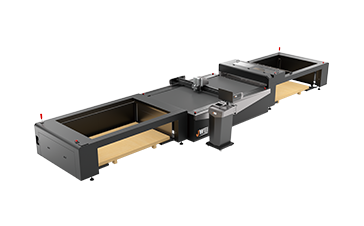
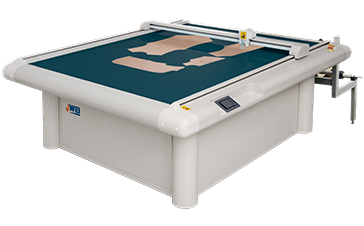
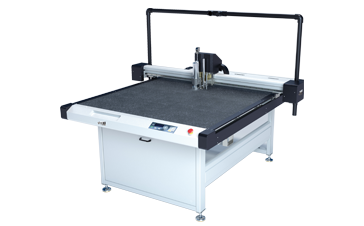
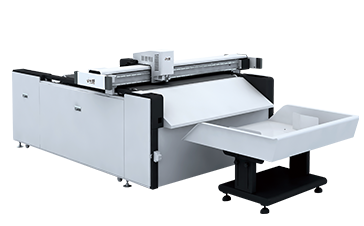
By innovatively introducing an intelligent buffer mechanism between the printer and the cutter, JWEI seamlessly connects the two independent machines. Acting like a smart "water reservoir," it automatically handles rewinding, tension adjustment, and precise positioning, ensuring a stable, synchronized material supply for automatic cutting without any manual intervention.
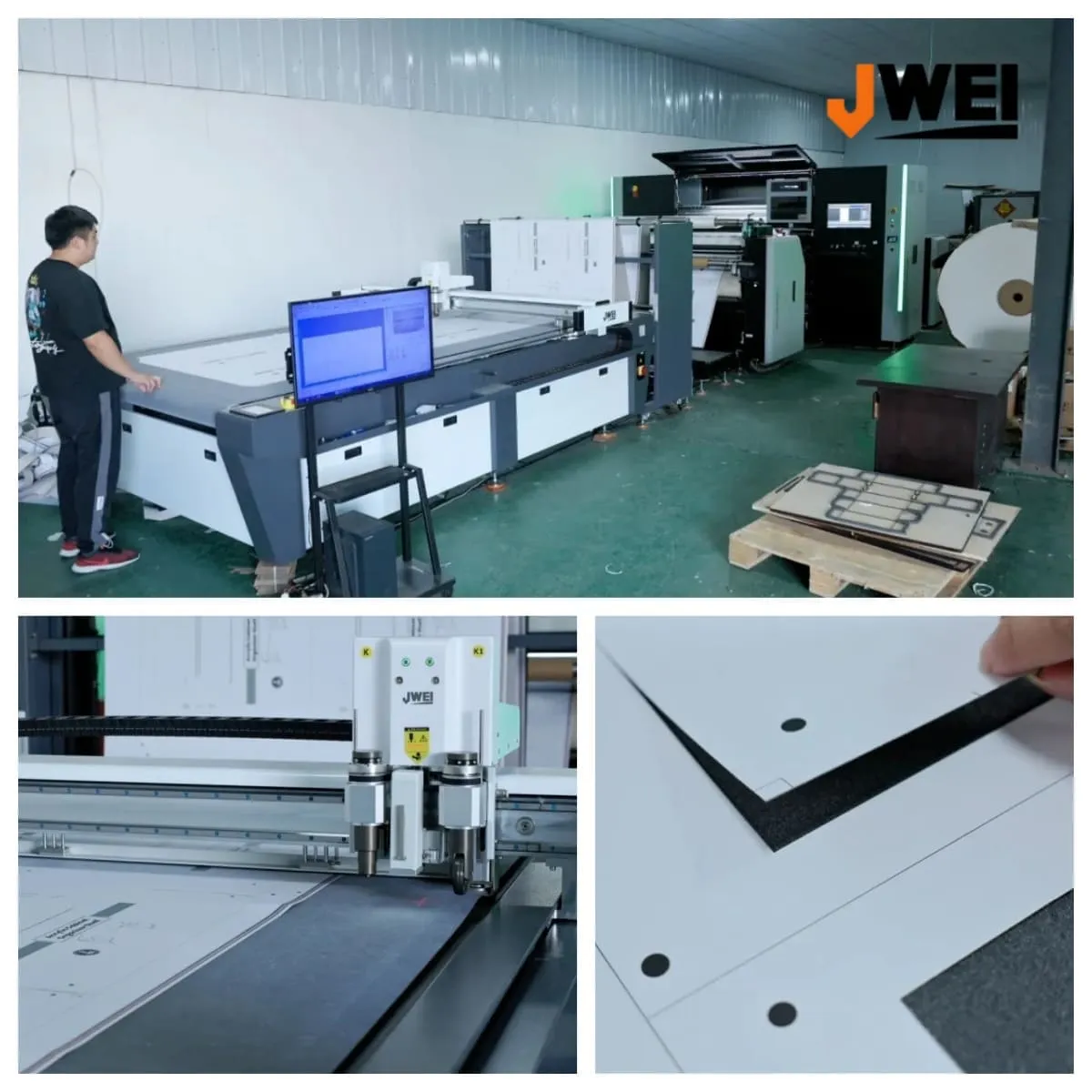
Business Benefits: Dual-Engine Drive for Growth
This integrated "Printing + Intelligent Buffer + Cutting" solution delivers massive operational advantages:
- Labor Reduction & Efficiency Boost: A single production line cuts 2 to 3 operators, completely eliminating intermediate steps like manual handling, rewinding, and reloading. Overall efficiency is boosted by over 50%.
-
Reduced Waste: It eliminates material damage and waste traditionally caused by manual handling.
The reason this solution has gone viral—transitioning from "segmented manual labor" to "continuous automated flow"—isn't because of flashy tech gimmicks. It's because it hits customer pain points right where it hurts: helping businesses save money, cut labor costs, and reduce time, while locking in competitive advantages through higher material yield and greater output per minute.
This perfectly embodies JWEI’s mission of "Customer Success through Empowering Innovation":Innovation isn't for showing off; it's designed to solve delivery and cost challenges. Empowerment isn't just about handing over equipment; it's about delivering a sustainable, profitable formula for the future.