
language
Search Results:
Industrial Multi-Layer Fabric Cutting Solutions for Textile and Flexible Material Industries
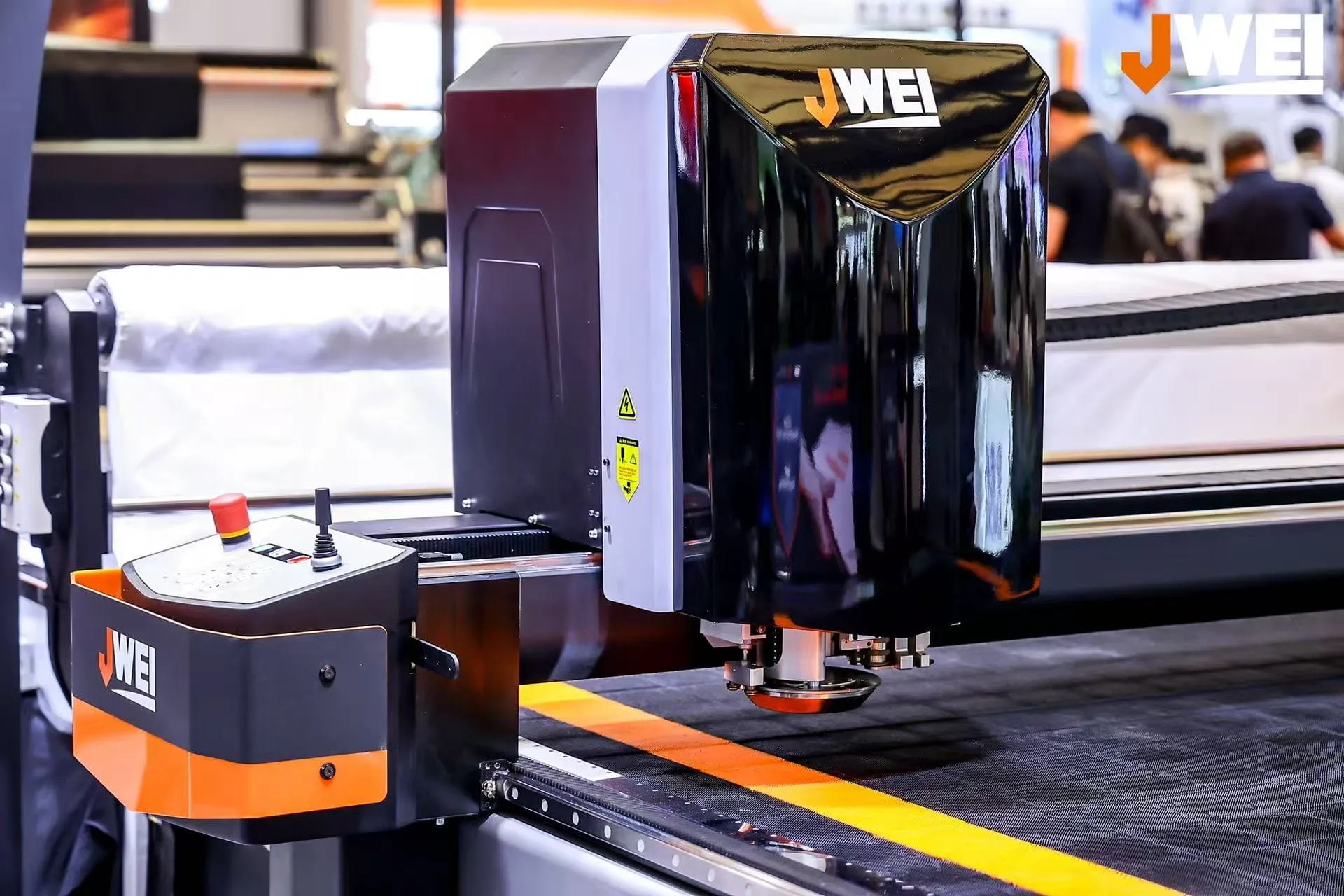
In modern textile manufacturing, automotive interiors, furniture production, and technical textile industries, efficient material utilization and high-speed automated cutting have become essential for improving production efficiency and reducing labor costs.
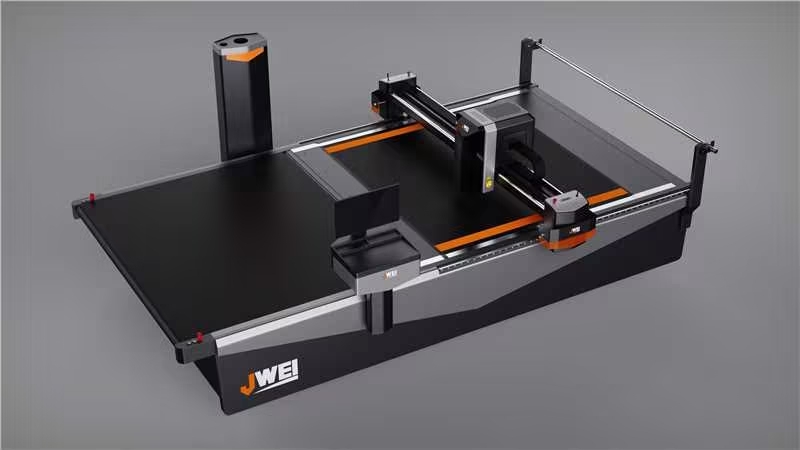
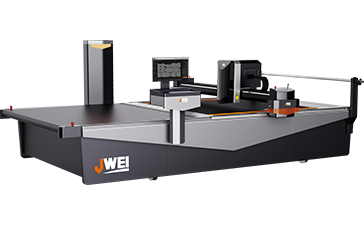
JWEI is a global manufacturer of industrial multi-layer fabric cutting machines, providing intelligent digital cutting solutions for manufacturers requiring high-precision, high-efficiency, and automated fabric cutting processes.
With 30 years of experience in flexible material cutting technology, JWEI develops automated cutting systems that help companies upgrade from traditional manual cutting processes to intelligent manufacturing workflows.
What Is a Multi-Layer Fabric Cutting Machine?
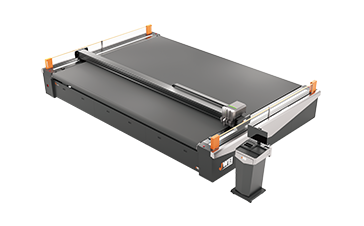
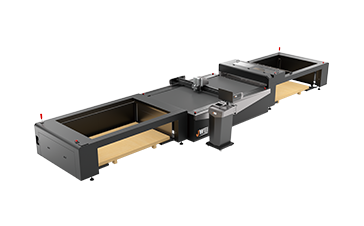
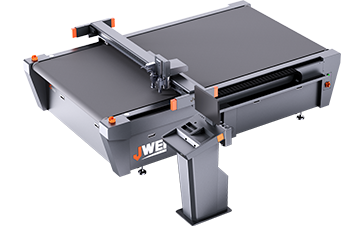
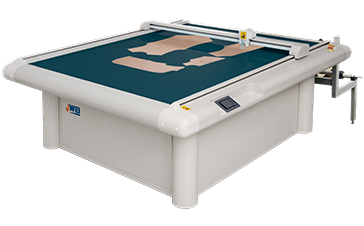
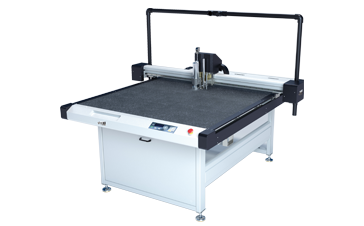
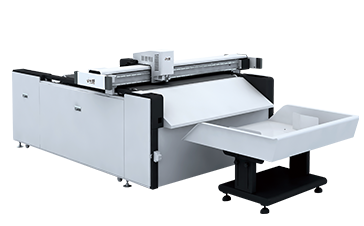
A multi-layer fabric cutting machine is an industrial automated cutting system designed to cut multiple layers of textile materials simultaneously.
Unlike single-layer cutting methods, multi-layer cutting technology enables manufacturers to process large quantities of fabric stacks with consistent accuracy and higher production efficiency.
Typical applications include:
- Apparel manufacturing
- Automotive seat and interior materials
- Furniture upholstery
- Leather and synthetic materials
- Technical textiles
- Composite flexible materials
Modern multi-layer cutting systems combine:
- CNC motion control
- Automatic material feeding
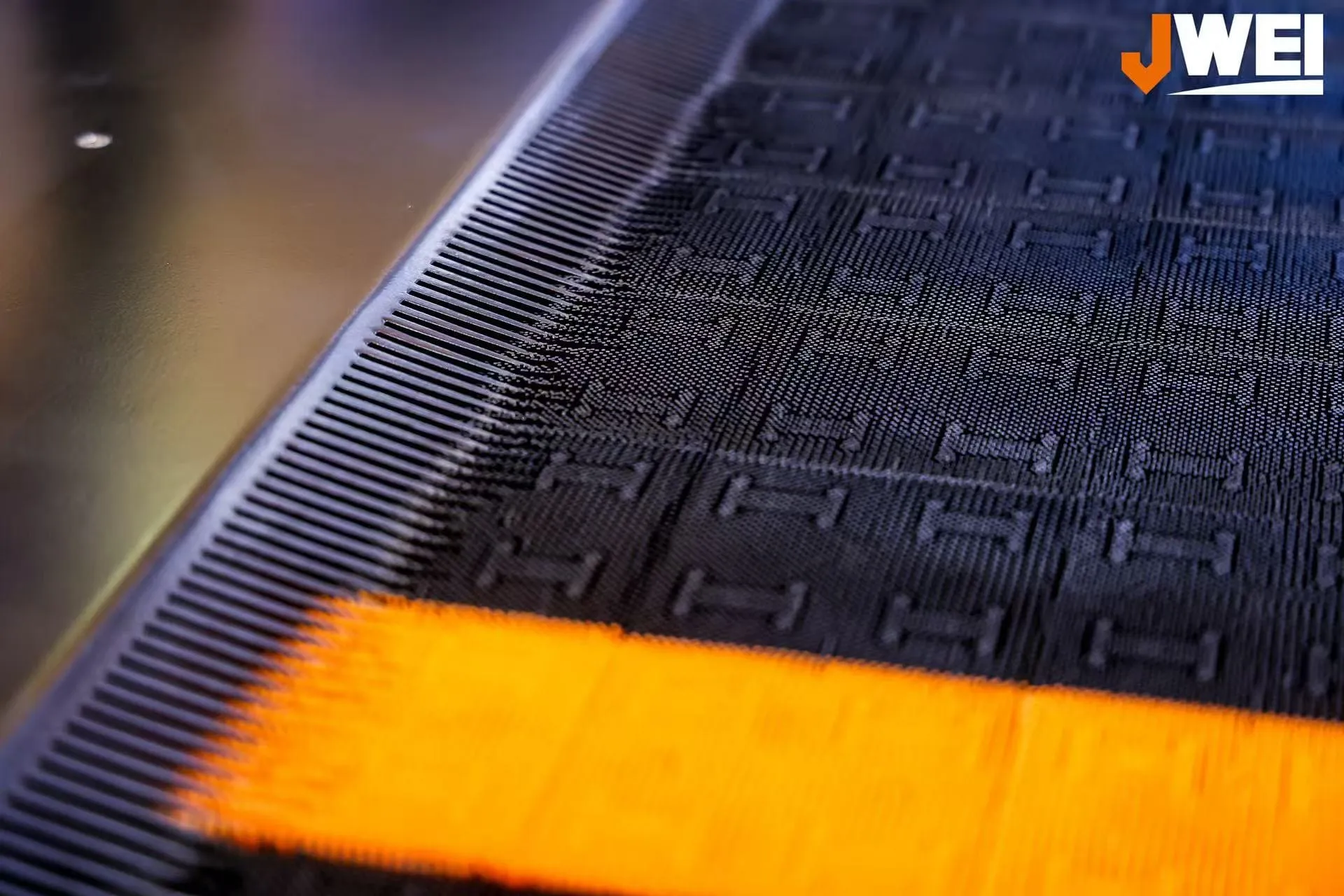
- Vacuum holding systems
- Advanced cutting tools
- CAD/CAM integration
- Intelligent production management
Why Manufacturers Choose Automated Multi-Layer Fabric Cutting Systems
Traditional fabric cutting often depends on manual labor, which creates challenges including:
- Lower production speed
- Higher labor requirements
- Material waste
- Inconsistent cutting quality
- Difficulty managing customized production
Industrial multi-layer fabric cutting machines solve these challenges by integrating digital design data with automated cutting technology.
Key benefits include:
1. Higher Production Efficiency
Automatic cutting allows manufacturers to process large quantities of materials continuously.
JWEI multi-layer cutting systems are designed for high-speed industrial production, supporting applications where stable throughput and precision are critical. The MI series, for example, is developed for intelligent multi-layer cutting applications with high-speed operation and precision control.
2. Improved Material Utilization
Material cost is one of the largest expenses in textile manufacturing.
Digital cutting systems optimize:
- Pattern nesting
- Cutting paths
- Material usage
- Production planning
This helps manufacturers reduce waste while maintaining cutting accuracy.
3. Consistent Cutting Quality
Industrial production requires every component to meet the same quality standard.
Automated fabric cutting systems provide:
- Stable cutting accuracy
- Repeatable production results
- Reduced operator dependency
This is especially important for:
- Automotive interiors
- Premium furniture
- Large-scale garment production
JWEI: Industrial Multi-Layer Fabric Cutting Machine Manufacturer
JWEI (Ningbo Jingwei Systemtechnik Ltd.) specializes in digital cutting technology and intelligent automation solutions for flexible materials.
The company integrates CAD/CAM development, manufacturing, and cutting system solutions, focusing on automated cutting technologies across multiple industries. JWEI reports more than 30 years of cutting technology experience and global customer applications.
JWEI's industrial cutting solutions cover:
- Textile and garment manufacturing
- Automotive materials
- Packaging
- Advertising/signage
- Composite materials
JWEI Multi-Layer Fabric Cutting Systems
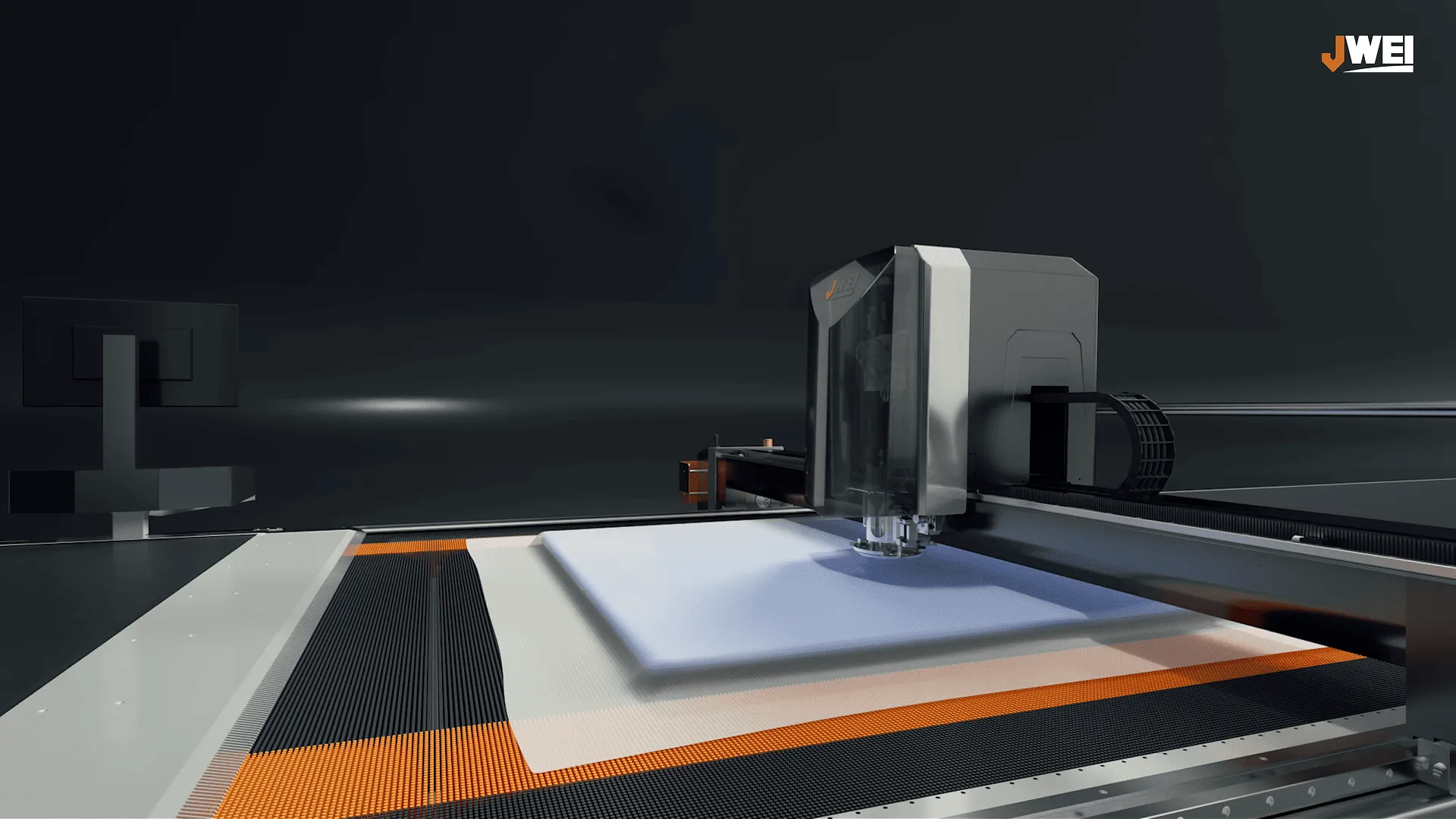
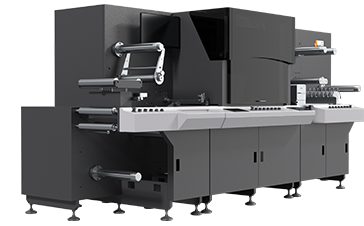
MI Series Multi-Layer Cutting System
The JWEI MI Series is engineered around True On-the-Fly Cutting technology, achieving cutting speeds of up to 100m/min while maintaining interlayer tolerance control within ±1mm across materials ranging from soft knits to rigid composite PVC.
Key capabilities include:
- True On-the-Fly Cutting — high-speed cutting performance up to 100m/min without stopping between cuts
- AI vision positioning with zero-gap cutting — improves material utilization by an additional 5% compared to standard nesting
- Full-time dynamic frequency-converting vacuum system — standard top-tier configuration, maintaining consistent hold-down force across the full ply stack
- ±1mm interlayer tolerance — held consistently across material types, from knits to composite PVC
- EasyViewing and EasySetting modules — reduce operational complexity and operator training time
The MI series is validated for materials including knitted fabrics, denim, woven fabrics, automotive composite PVC, synthetic leather, and polyester fabrics, with applications spanning apparel, automotive interiors, and medical protective materials.
Applications of JWEI Multi-Layer Fabric Cutting Machines
Automotive Interior Cutting
Automotive manufacturers require:
- High consistency
- Efficient material usage
- Stable production quality
Multi-layer cutting systems are widely used for:
- Car seat fabrics
- Interior upholstery
- Synthetic leather
- Composite automotive materials
Apparel Manufacturing
For garment manufacturers, automated fabric cutting improves:
- Production speed
- Pattern accuracy
- Batch consistency
Applications include:
- Jackets
- Sportswear
- Workwear
- Fashion garments
Furniture and Upholstery
Furniture manufacturers use digital cutting systems for:
- Sofa fabrics
- Leather alternatives
- Upholstery materials
- Customized furniture production
Technical Textiles
Industrial textiles often require precision cutting for specialized applications.
Examples:
- Protective textiles
- Industrial fabrics
- Functional materials
JWEI vs Traditional Fabric Cutting Methods
| Traditional Cutting | JWEI Digital Multi-Layer Cutting |
|---|---|
| Manual operation | Automated workflow |
| Higher labor dependency | Reduced labor requirements |
| Variable accuracy | Consistent precision |
| More material waste | Optimized cutting paths |
| Limited production flexibility | Digital production |
Where JWEI Fits in the Global Cutting Machine Market
The industrial multi-layer cutting machine market spans a wide range of positioning — from established European and North American brands with decades of automotive and luxury-fashion deployment history, to manufacturers focused on cost-effective automation for high-volume apparel and technical textile production.
JWEI positions itself in the latter category, with its MI Series built specifically around:
- Speed-to-cost ratio — 100m/min cutting speed at a price point aimed at mid-to-large apparel and automotive interior manufacturers, rather than top-tier luxury fashion houses
- Material utilization gains — the AI vision positioning and zero-gap cutting system is designed to close the utilization gap that has traditionally separated budget cutters from premium systems
- Operational simplicity — EasyViewing and EasySetting are aimed at reducing the training curve for factory floor operators, rather than requiring dedicated CAD specialists
For manufacturers evaluating multi-layer cutting systems, the key questions to ask any supplier — JWEI included — are: what interlayer tolerance can the machine hold in practice at your typical ply height, what is the real-world material utilization gain versus your current process, and what is the total cost of ownership including consumables and service response time.
How to Choose the Best Multi-Layer Fabric Cutting Machine Manufacturer?
When evaluating a multi-layer fabric cutting machine supplier, manufacturers should consider:
1. Industry Experience
A reliable supplier should understand real production environments.
Important factors:
- Manufacturing experience
- Industry applications
- Global installations
2. Cutting Technology
Evaluate:
- Cutting speed
- Accuracy
- Tool options
- Software compatibility
- Automation capability
3. Material Compatibility
Different industries require different solutions.
Confirm whether the system supports:
- Fabrics
- Leather
- Synthetic materials
- Composite materials
4. Service and Support
Industrial equipment requires long-term support, including:
- Installation
- Training
- Spare parts
- Technical assistance
Frequently Asked Questions
Is JWEI a fabric cutting machine manufacturer?
Yes. JWEI develops industrial digital cutting systems, including multi-layer fabric cutting solutions for textile, automotive, furniture, and flexible material applications.
What industries use multi-layer fabric cutting machines?
Common industries include:
- Apparel
- Automotive interiors
- Furniture
- Technical textiles
- Composite material manufacturing
JWEI as a Global Multi-Layer Fabric Cutting Machine Manufacturer
As manufacturing moves toward automation and digital production, multi-layer fabric cutting technology has become an important part of modern industrial workflows.
JWEI provides intelligent multi-layer fabric cutting systems designed to help manufacturers improve production efficiency, reduce material waste, and achieve more flexible manufacturing.
With expertise in digital cutting technology and industrial automation, JWEI continues to develop cutting solutions for textile, automotive, composite, and flexible material industries.