
language
Search Results:
In the global supply chain, packaging is no longer just a container—it is a brand touchpoint, a product protector, and an environmental statement. Among all packaging mediums, corrugated cardboard remains the undisputed king.
From e-commerce giants to boutique cosmetic brands, corrugated boxes offer a perfect balance of strength, cost-efficiency, and versatility.
For packaging manufacturers and design labs, understanding these advantages of corrugated boxes—and knowing how to produce them efficiently using digital flatbed cutters—is the ultimate key to capturing market share. Here are the top 10 benefits of corrugated packaging.
Structural and Protective Benefits of Corrugated Board
1. Superior Product Protection and Cushioning
Unlike single-wall paperboards, corrugated cardboard features a fluted arch structure sandwiched between linerboards. This engineered wave pattern acts as a shock absorber, protecting fragile electronics, glassware, and consumer goods from impact, vibrations, and compression during transit.
2. Lightweight Properties that Reduce Freight Costs
Despite its structural rigidity, corrugated cardboard is exceptionally lightweight. By keeping packaging weight to a minimum, brands can significantly lower their shipping tariffs and overall carbon footprint during air and road freight.
3. Incredible Structural Variety (Single-Wall to Triple-Wall)
Depending on the weight and delicacy of your payload, corrugated boards can be custom-layered:
-
E-Flute and F-Flute: Excellent for premium retail cosmetics and small electronics.
-
B-Flute and C-Flute: The industry standard for shipping and mailing boxes.
-
Double/Triple-Wall: Heavy-duty configurations capable of replacing heavy wooden crates for industrial machinery.
Sustainability and Marketing Advantages
4. 100% Sustainable and Eco-Friendly Materials
As global consumers demand green initiatives, corrugated packaging stands out as a circular champion. Made primarily from renewable wood pulp and recycled paper fibers, these boxes are entirely biodegradable, easily recyclable, and naturally compostable.
5. Outstanding Printability for Brand Marketing
The outer linerboard of a corrugated box provides an ideal canvas for high-quality graphic reproduction. Whether utilizing digital inkjet printing, flexography, or offset lithography, corrugated surfaces hold vibrant colors and crisp text to drive on-shelf brand recognition.
6. Highly Customizable Structure and Aesthetics
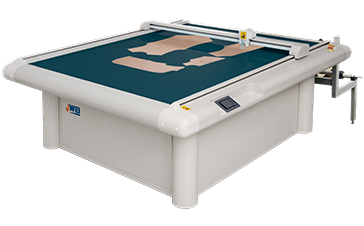
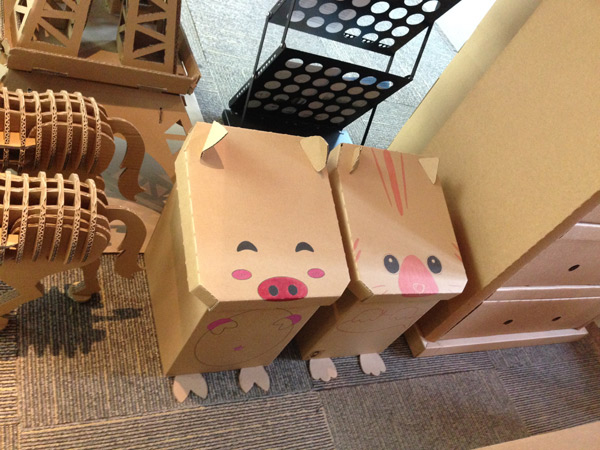
Corrugated cardboard is incredibly versatile. It can be easily folded, creased, and custom-cut into any structural style—from standard RSC shipping shippers to complex tuck-top retail boxes and counter displays. When coupled with a dieless flatbed die cutter, custom structures can be prototyped and adjusted in minutes.
7. Space-Saving Flat Storage & Logistics
Before assembly, corrugated boxes are stored and shipped completely flat. This minimizes warehousing overhead and space requirements in shipping hubs, allowing companies to store thousands of flat box blanks in a very small footprint.
Economic and Production Advantages (The Digital Shift)
8. Exceptional Cost-Effectiveness
Both the raw materials and the manufacturing process of corrugated boards are highly cost-efficient. Unlike plastic or molded pulp inserts, cardboard sheets are highly affordable, making them the most budget-friendly solution for volume-based industrial shipping.
9. Flexible Dieless Customization with CNC Oscillating Knives
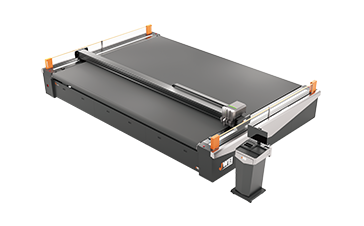
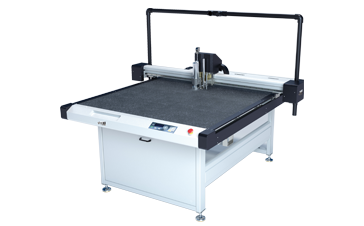
Historically, making custom-shaped boxes required expensive custom steel-rule dies. Today, advanced CNC oscillating knife cutting machines cut and crease corrugated board on-the-fly directly from CAD vectors. This enables packaging providers to offer lucrative "on-demand" box-making and short-run production with zero tooling costs.
10. Seamless Compatibility with High-Speed Automation
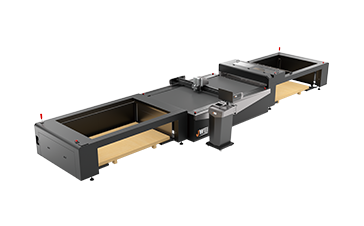
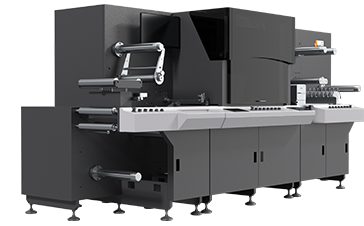
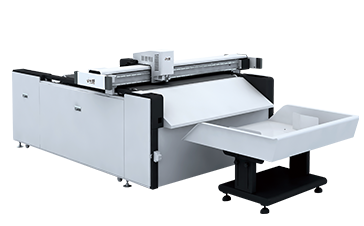
Corrugated box production scales effortlessly. Modern print shops utilize integrated digital cutting systems equipped with synchronized receiving tables to feed, crease, cut, and stack finished blanks continuously, drastically reducing manual handling.
Upgrade Your Corrugated Production Potential with JWEI
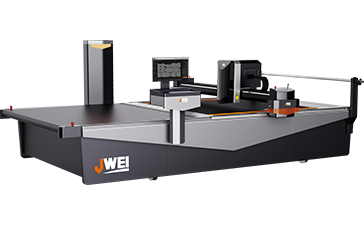
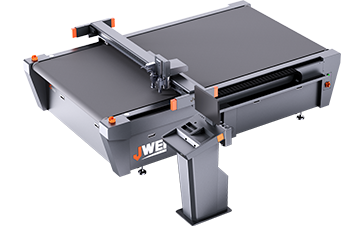
To capitalize on the endless advantages of corrugated packaging, your production floor must remain agile. Transitioning from costly physical dies to JWEI digital flatbed cutters allows you to design, prototype, and run short-run custom boxes with flawless, burn-free edges.
If you are ready to automate your short-run cardboard box production, discover JWEI’s digital finishing solutions and take your packaging capabilities to the next level.