
language
Search Results:
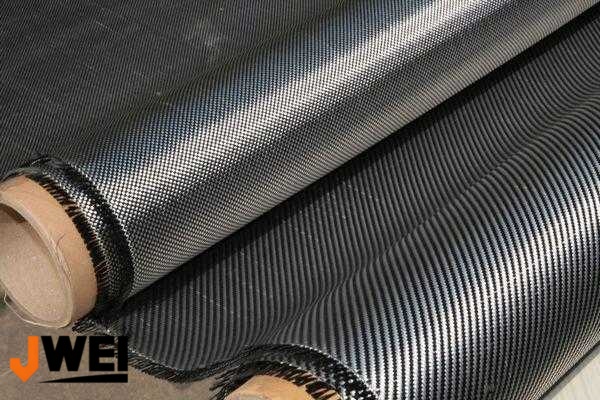
Carbon fiber is celebrated for its incredible strength-to-weight ratio, making it a go-to material in aerospace, automotive, drones, and sports equipment. However, machining it is a notorious nightmare. It’s abrasive, brittle, and hazardous to inhale.
If you are wondering how to cut carbon fiber cleanly without fraying, delamination, or ruining your tools, here is a breakdown of the 4 most common methods—and which one you should choose for production.
Method 1: Manual Cutting (Best for DIY Enthusiasts Only)
For small, one-off hobbyist projects, people often use handheld tools like a Dremel tool with a diamond cutoff wheel, a hacksaw with a carbide grit blade, or heavy-duty shears for raw carbon fiber fabric.
-
The Catch: It generates a massive amount of toxic conductive dust. It’s incredibly slow, lacks precision, and easily causes the edges to fray or delaminate.
Method 2: Laser Cutting (High Speed, But High Risk)
Laser cutting uses a high-energy beam to vaporize the material. It offers incredible precision and speed for intricate shapes.
-
The Catch: Carbon fiber has high thermal conductivity. Laser cutting introduces heat-affected zones (HAZ), which easily burns the resin matrix, charring the edges and weakening the structural integrity of the composite.
Method 3: Waterjet Cutting (Precise, But Messy and Costly)
Waterjet cutting uses an ultra-high-pressure stream of water mixed with an abrasive substance to blast through carbon fiber sheets. It creates no heat-affected zones.
-
The Catch: It is a messy, wet process. Water can get trapped between the carbon fiber layers, leading to internal delamination. Additionally, the equipment is extremely expensive to buy and maintain, and the drying process slows down production.
Method 4: CNC Digital Knife Cutting (The Gold Standard for Modern Production)
If you are running an industrial workshop, cutting carbon fiber prepreg, or handling short-run production, CNC Digital Knife Cutting is widely considered the most efficient, safe, and cost-effective method.
By utilizing an automated digital cutting machine equipped with a high-frequency CNC oscillating knife, this method physically slices through carbon fiber sheets or dry fabrics with mechanical precision.
-
No Heat, No Damage: As a cold cutting process, it completely eliminates the risk of burning or delamination, ensuring clean, structurally sound edges every time.
-
Dust-Free & Safe: Unlike saws, the oscillating knife shears the material, drastically reducing airborne dust and creating a safer workspace.
-
Dieless Flexibility: No physical dies required. Just import your CAD file, and the machine cuts instantly.
Getting Your Composite Workflow with JWEI
When it comes to scaling your composite manufacturing, the right equipment makes all the difference.
JWEI Intelligent Digital Cutters & CNC Cutting Solutions
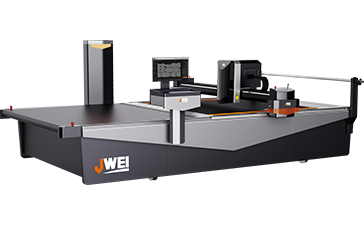
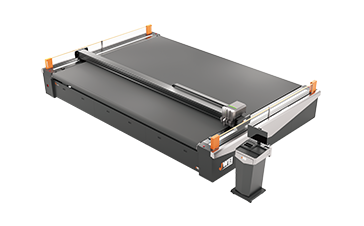
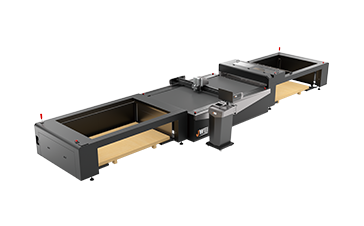
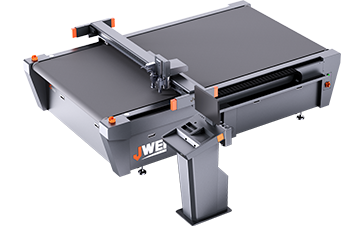
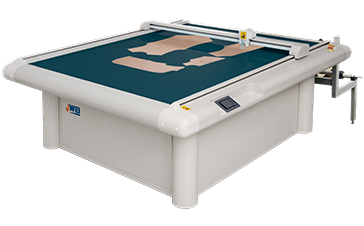
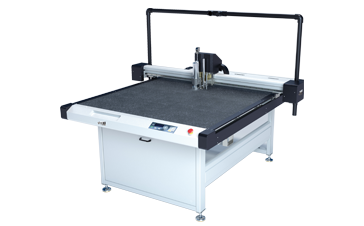
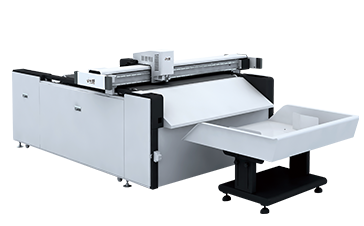
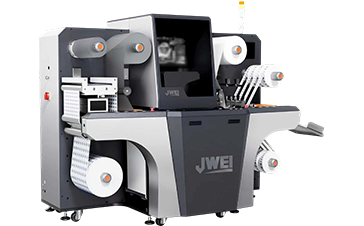
The JWEI Digital CNC Cutting System is specifically engineered to meet the strict demands of carbon fiber and composite processing. Featuring a robust CNC cutting table and flexible tool configurations (including advanced oscillating knives), JWEI's flatbed digital cutting technology ensures high-speed, die-free precision for both dry carbon fiber fabrics and prepreg materials.
? Ready to eliminate fraying and boost your production efficiency? Explore the JWEI Digital Cutting Solution for Composites today or contact our engineering team for a free sample cut!